
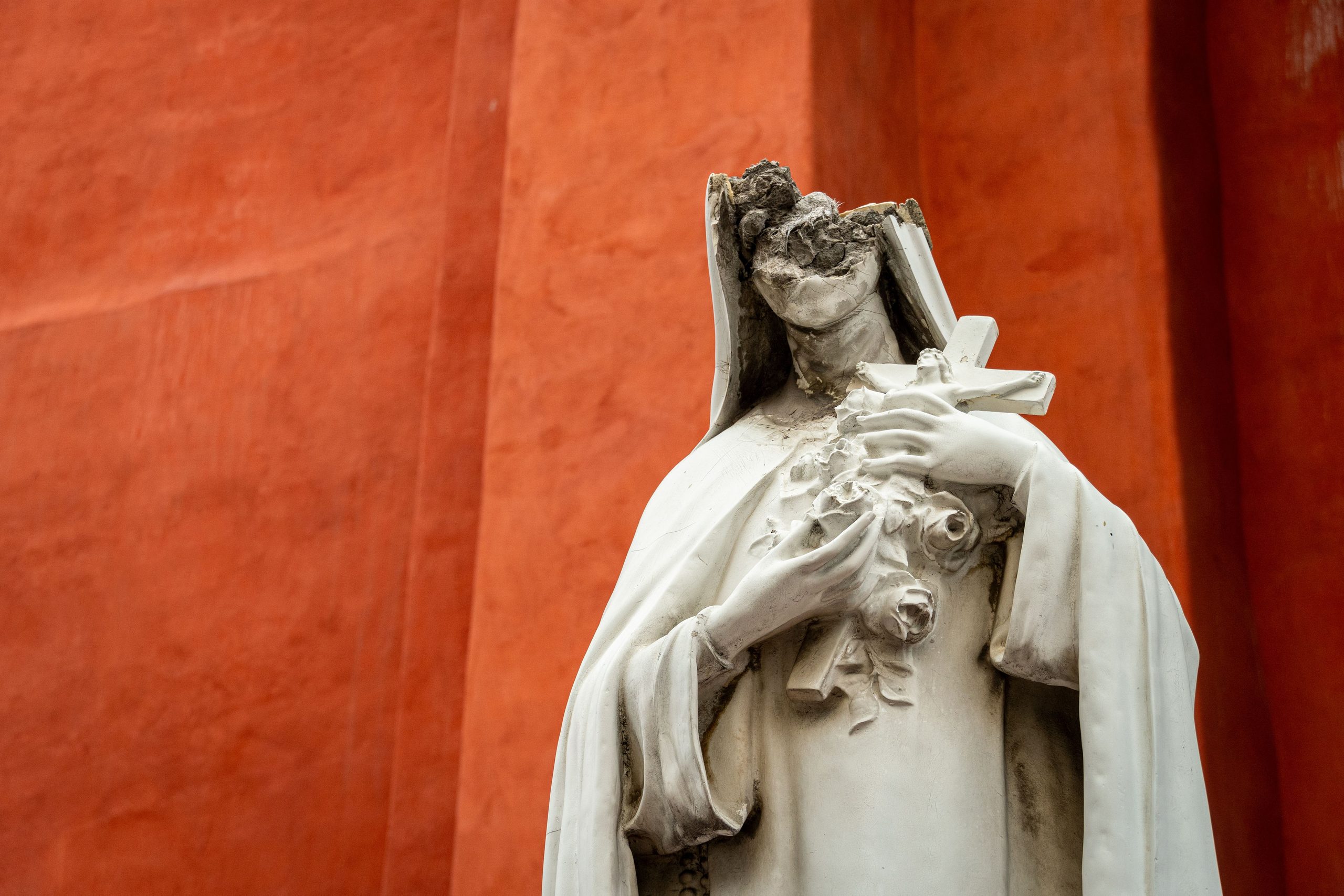
What happens when the place that once gave you meaning and community becomes a source of fear or shame?
For many people, religion offers comfort, purpose, traditions, and people who show up through joy and grief. Those connections can become a foundation for belonging. But a faith community can also become a place where love feels conditional, questions feel dangerous, or a person’s identity is treated as something to change.
The effects can reach far beyond belief. You may find yourself struggling to trust your decisions, feeling anxious about making a mistake, or grieving relationships that changed when you began to question. If this sounds familiar, you may be experiencing the effects of religious trauma or spiritual abuse. Counseling can give you room to understand what happened and decide what healing means to you.
What Is Religious Trauma?
Religious trauma describes the lasting emotional effects of harmful experiences connected to religious beliefs, leaders, communities, or practices. Spiritual abuse may involve using spiritual authority or beliefs to shame, control, isolate, or manipulate someone. These experiences can happen within many traditions, and they can affect people who stay in their faith as well as people who leave it.
Sometimes the harm comes from a particular event. Sometimes it builds over years of rigid expectations, threats of punishment, pressure to obey, or the message that your questions, gender, sexuality, or needs make you unacceptable.
You do not have to decide whether an entire religion was harmful to name the harm you experienced within it. Something may have offered genuine beauty and belonging while also causing profound pain.
Signs That Religious Experiences May Still Be Affecting You
People often seek therapy for anxiety or grief without initially connecting those feelings to a religious experience. The effects can look different from person to person. You might notice:
- Fear or guilt when you question a belief or set a boundary
- Perfectionism or a sense that you can never be “good enough”
- Difficulty trusting your own judgment or making everyday decisions
- Shame about your identity, body, sexuality, or relationships
- Anxiety about punishment, uncertainty, or what happens after death
- Grief over family, friendships, traditions, or a former sense of purpose
- Feeling disconnected from your body, values, or inner voice
These experiences do not, by themselves, establish a diagnosis. They are reasons you deserve care and space to tell your story.

The Grief of Leaving or Changing Your Faith
Leaving a faith community, stepping back from it, or changing what you believe can mean losing much more than a set of ideas. You may miss the music, holidays, rituals, friendships, and familiar way of understanding the world. You may fear being misunderstood or rejected by people you love.
For some, questioning faith can also affect housing, family support, or physical safety. Healing may need to begin with practical support and a pace that feels safe. There is no requirement to leave a community before seeking counseling.
The grief can be confusing because you may still love parts of what you lost. You are allowed to miss the good, acknowledge the harm, and take time to figure out what comes next.
Can Counseling for Religious Trauma Help If I Still Have Faith?
Yes. Religious trauma counseling is not about persuading you to leave your religion or return to it. Your beliefs and choices belong to you.
A therapist can help you explore questions that may not have felt safe to ask before: Which values feel like your own? What relationships support you? What brings you peace or meaning now? Which beliefs do you want to keep, reconsider, or release?
For one person, healing may include reconnecting with faith on their own terms. For another, it may mean building a life outside religion. Others may not know yet. You do not have to arrive at therapy with an answer.
Rebuilding Trust in Yourself
When you have spent years looking to an outside authority for the “right” answer, even small choices can feel overwhelming. Rebuilding trust often happens gradually: noticing what you feel, practicing boundaries, making a decision, and seeing that you can respond with compassion if you change your mind.
Counseling can offer a place to make sense of your experiences, honor your grief, and reconnect with your own values. You can move at a pace that works for you. A therapist can walk alongside you without claiming to know what your beliefs should be.
Meaning and ritual can take many forms, too. You may find comfort in lighting a candle for someone you miss, spending time beneath the trees, gathering with people who accept you, or choosing a new way to mark an important day. You get to decide what, if anything, feels meaningful.

Religious Trauma Counseling in Hillsboro, Oregon
You do not have to explain why it hurt before your story deserves care. At Ancora Wellness in downtown Hillsboro, Oregon, we offer trauma-informed counseling that makes room for your identity, your questions, and your choices. Whether you are navigating spiritual abuse, grieving a faith community, or trying to understand how earlier experiences affect you today, you can begin where you are.
Our approach is LGBTQIA2S+ affirming and grounded in respect for the many ways people seek belonging and meaning. We offer in-person counseling in Hillsboro and virtual appointments for people across Oregon.
Interested in finding support? Contact Ancora Wellness to schedule a free 15–20 minute consultation. You can ask about a therapist’s approach, availability, and whether the fit feels right for you.
Note: “Religious trauma” describes a range of experiences and is not a standalone DSM-5-TR diagnosis. A therapist can help assess any related concerns without reducing your story to a label.
References
Ellis, H. M., Hook, J. N., Zuniga, S., Hodge, A. S., Ford, K. M., Davis, D. E., & Van Tongeren, D. R. (2022). Religious/spiritual abuse and trauma: A systematic review of the empirical literature. Spirituality in Clinical Practice, 9(4), 213–231.
Hobson, N. M., et al. (2018). The psychology of rituals: An integrative review and process-based framework.
Perry, S. (2024). Religious/Spiritual Abuse, Meaning-Making, and Posttraumatic Growth. Religions, 15(7), 824.
Charles, S., et al. (2021). Research on secular rituals, positive emotion, and social connection.
Butler, et al. (2025). Research on ritual, grief, and meaning making in palliative care.
Zaeske, L. M., et al. (2024). Addressing harm from adverse religious/spiritual experiences in psychotherapy: A scoping review. Practice Innovations.